How Much Sleep Does My Child Need? A Complete Guide for Parents of Babies, Toddlers and Preschoolers
Sleep is one of the most important building blocks of a child’s growth, development and wellbeing. Yet it’s also one of the biggest concerns for parents. From nap battles and bedtime routines to early wake-ups, many families wonder whether their child is getting enough rest.
At Green Giraffe Nursery, we understand that every child is different. However, knowing how much sleep children typically need at different ages can help parents support healthy sleeping habits and establish routines that work for the whole family.
Why Is Sleep So Important for Young Children?
During sleep, children’s bodies and brains are incredibly busy. Sleep supports:
- Brain development and learning
- Memory and concentration
- Emotional wellbeing
- Physical growth
- Healthy immune systems
- Communication and language development
- Energy levels for active play and exploration
Children who get enough sleep are often better able to focus, regulate their emotions and engage positively with learning experiences.
How Much Sleep Does My Child Need?
While every child is unique, the following guidelines can help parents understand average sleep requirements.
Newborns (0-3 Months)
Recommended sleep: 14-17 hours per day
Newborns usually sleep in short bursts throughout both the day and night, waking regularly for feeds and comfort.
Babies (4-12 Months)
Recommended sleep: 12-16 hours per day, including naps
As babies grow, they often begin developing a more predictable sleep pattern and may sleep for longer stretches at night.
Toddlers (1-2 Years)
Recommended sleep: 11-14 hours per day, including naps
Most toddlers continue to benefit from one daytime nap alongside overnight sleep.
Preschool Children (3-5 Years)
Recommended sleep: 10-13 hours per day, including naps
Many preschool children gradually reduce daytime naps, although some still benefit from rest periods.
Signs Your Child May Not Be Getting Enough Sleep
Sleep deprivation doesn’t always look like tiredness. In young children, it can often appear as:
- Increased tantrums or emotional outbursts
- Difficulty concentrating
- Hyperactive behaviour
- Frequent mood changes
- Struggling to wake in the morning
- Reduced interest in activities
- Difficulty settling at bedtime
- Falling asleep during quiet activities
If these signs become consistent, it may be worth reviewing your child’s sleep routine.
The Benefits of Good Sleep for Child Development
Better Learning and Memory
Sleep helps children process new information and experiences, making it easier to learn new skills and retain knowledge.
Improved Behaviour
Well-rested children often find it easier to manage emotions, cope with challenges and build positive relationships.
Stronger Immunity
Quality sleep supports the immune system, helping children stay healthy and recover from illnesses more quickly.
Enhanced Physical Growth
Growth hormones are primarily released during sleep, making rest an important part of healthy development.
How to Create a Healthy Bedtime Routine
Keep Bedtimes Consistent
Children thrive on routine. Going to bed and waking up at similar times each day helps regulate their body clock.
Create a Calm Environment
Dim lighting, quieter activities and a comfortable sleep environment can help children prepare for rest.
Limit Screen Time Before Bed
Screens can make it harder for children to settle and fall asleep. Consider switching to books, stories or calming activities before bedtime.
Encourage Active Play During the Day
Outdoor play, physical activity and fresh air can contribute to better sleep at night.
Introduce a Predictable Bedtime Routine
Baths, stories, cuddles and quiet time can all signal that bedtime is approaching.
Naps: Are They Still Important?
For many young children, naps remain essential.
Naps can:
- Prevent overtiredness
- Improve mood and behaviour
- Support learning and development
- Help children stay engaged throughout the day
As children approach school age, they may naturally begin to phase out daytime sleep.
How Green Giraffe Nursery Supports Children’s Sleep
At Green Giraffe Nursery, we recognise that every child has individual sleep needs.
Our experienced team works closely with families to:
- Follow individual sleep routines
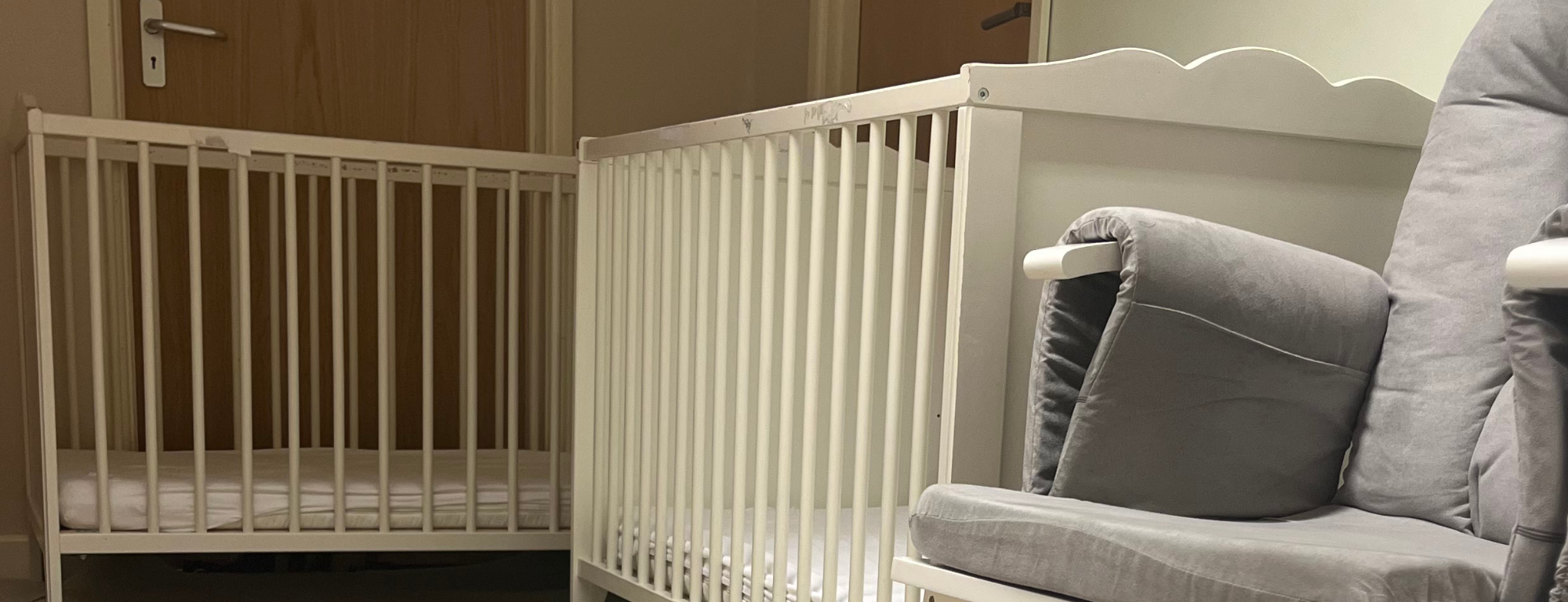
- Provide a calm and comfortable sleep environment
- Communicate daily about sleep patterns
- Support children through changing sleep needs
- Promote healthy wellbeing habits
By working together with parents, we help ensure consistency between home and nursery.
Frequently Asked Questions About Children’s Sleep
How many hours should a 2-year-old sleep?
Most 2-year-olds need between 11 and 14 hours of sleep per day, including a daytime nap.
Is it normal for my toddler to wake during the night?
Yes. Night waking is common throughout early childhood. Illness, development, growth spurts and changes in routine can all affect sleep patterns.
When should my child stop napping?
Every child is different. Many children stop napping between the ages of three and five, although some continue to benefit from occasional naps.
What time should my child go to bed?
Bedtimes vary depending on age and wake-up times. Most preschool children benefit from a bedtime between 7pm and 8pm, allowing sufficient overnight sleep.
Can too much screen time affect sleep?
Yes. Screen use close to bedtime can make it more difficult for children to settle and fall asleep.
Why does my child seem more hyper when they’re tired?
Overtired children often become more active rather than sleepy. This can make it harder for them to settle and may indicate they need more rest.
Should I wake my child from a nap?
In most cases, children naturally wake when they are ready. However, very long naps late in the day can sometimes affect bedtime.
What if my child refuses to sleep?
Consistency is key. Maintaining a calm bedtime routine and predictable sleep schedule can help children develop positive sleep habits over time.
Supporting Healthy Sleep for Happy, Thriving Children
Good sleep is one of the most important foundations for healthy childhood development. By understanding your child’s sleep needs and creating consistent routines, you can help support their learning, wellbeing and happiness.
At Green Giraffe Nursery, we’re committed to supporting every aspect of children’s development, including healthy sleep habits, emotional wellbeing and school readiness.
Looking for a nurturing nursery in Cardiff?
Our experienced team provides high-quality childcare and early years education in a warm, supportive and stimulating environment where children can learn, grow and thrive.
Contact Green Giraffe Nursery today to arrange a visit and discover how we support children every step of the way.