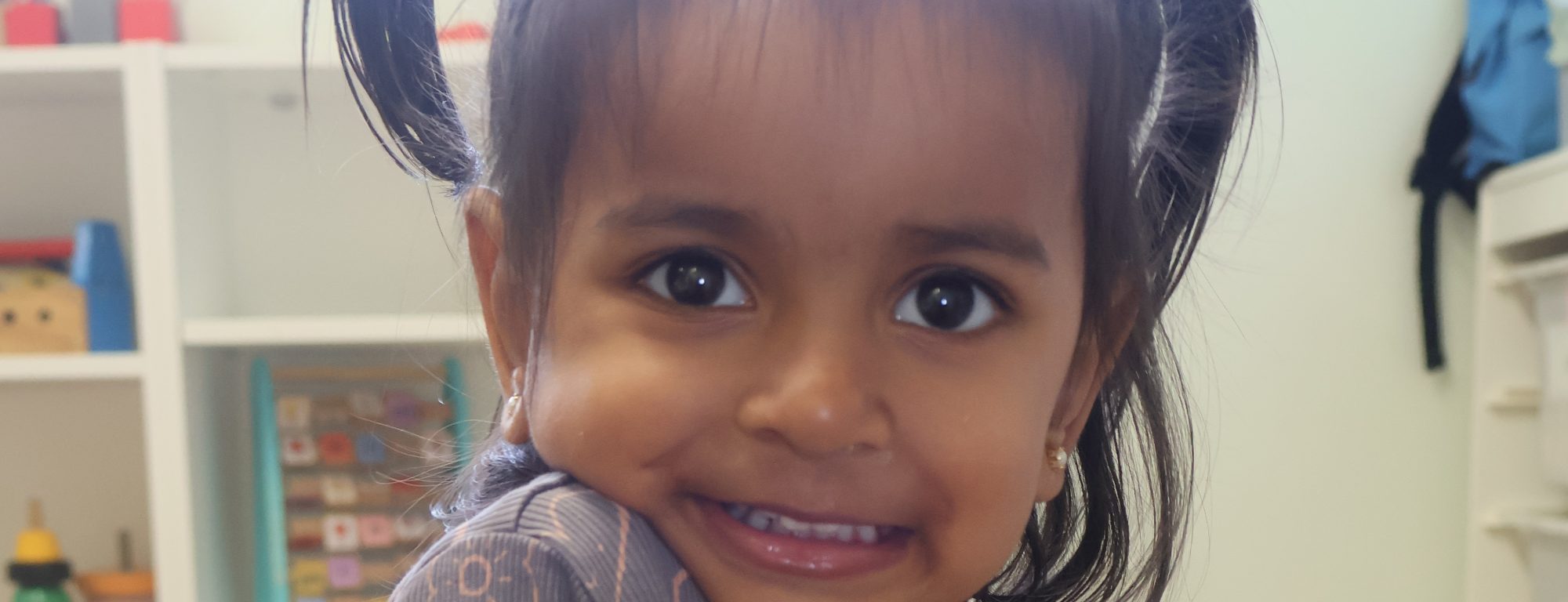
Teething: How to soothe your baby and support them through this important milestone
One of the many exciting milestones during your baby’s early years is the arrival of their first teeth. While those first tiny teeth are a sign that your little one is growing and developing, teething can sometimes be an uncomfortable experience for babies and a challenging time for parents.
At The Green Giraffe Nursery, we know that every child experiences teething differently. Some babies show very few signs, while others may become more unsettled and seek extra comfort and reassurance. Understanding what to expect can help you support your little one through this stage with confidence.
When do babies start teething?
There is no exact age when teething begins. Most babies start cutting their first teeth around six months, but some may start earlier, while others may not develop their first tooth until after their first birthday.
Every child develops at their own pace, and variations in teething timelines are completely normal.
The first teeth to appear are often the lower front teeth, followed by the upper front teeth, with the remaining baby teeth gradually emerging over the following months and years.
Common signs of Teething
Teething often occurs during a period when babies are also exploring the world, picking up minor illnesses, and experiencing other developmental changes, it can sometimes be difficult to know whether teething is the cause of their discomfort.
Some common signs that your baby may be teething include:
- Increased dribbling
- Chewing on fingers, toys, or anything they can get hold of
- Red, swollen, or tender gums
- Changes to sleeping patterns
- Irritability or fussiness
- Wanting extra cuddles and reassurance
- Rubbing their cheeks or ears
- A mild rise in temperature
Some babies may also develop irritation around the mouth, chin, or neck due to excess dribbling. Keeping the area clean and dry can often help prevent soreness.
How long does teething last?
Every tooth is different, and every child responds differently.
Many parents find that their baby’s discomfort increases in the days before a tooth appears and gradually eases once the tooth has broken through the gum.
Children develop teeth over several years, teething can sometimes feel like an ongoing process. The good news is that discomfort is usually temporary and often comes in short phases rather than being constant.
If your child seems particularly unwell, develops a high temperature, or you’re concerned about any symptoms, it’s always best to seek advice from your GP, health visitor, pharmacist, or NHS 111.
Ways to help soothe a teething baby
While there isn’t a single solution that works for every child, there are several gentle ways to help ease discomfort and keep your baby comfortable.
Offer a teething toy or ring
Many babies find relief from chewing and biting.
Teething rings and teething toys provide gentle pressure on sore gums, which can help reduce discomfort. Chilled teething toys can be particularly soothing, but always follow the manufacturer’s guidance and avoid freezing them, as very cold items may irritate sensitive gums.
Always check toys regularly for wear and ensure they are suitable for your baby’s age and stage of development.
Try a gentle gum massage
Some babies enjoy having their gums gently massaged.
With clean hands, gently rub the affected area using a clean finger. The pressure can offer temporary relief and may help soothe inflamed gums.
However, if your baby seems uncomfortable or pulls away, simply stop and try another approach. Every child has different preferences when it comes to soothing techniques.
Provide plenty of comfort and reassurance
Sometimes the simplest solution is the most effective.
Babies often seek additional closeness when they’re teething. Extra cuddles, rocking, singing, reading stories, or spending quality time together can provide comfort and help distract them from the discomfort.
At The Green Giraffe Nursery, we understand how important emotional reassurance can be during periods of change or discomfort, and our practitioners always provide plenty of nurturing support when babies are experiencing teething symptoms.
Offer cool foods for babies who have started weaning
For babies who have already begun solids, cool foods can sometimes provide relief for sore gums.
Depending on your child’s age and stage of development, suitable options might include:
- Chilled banana
- Soft melon pieces
- Cool yoghurt
- Cucumber sticks
- Other age-appropriate fruits and vegetables
Always supervise your child while eating and ensure foods are prepared safely to reduce choking risks
Consider appropriate pain relief if needed
If your baby seems particularly uncomfortable, you may wish to speak with your pharmacist, health visitor, or GP about suitable pain relief options.
Always follow professional advice and carefully follow dosage instructions for any medication.
Looking after new teeth
As soon as your baby’s first tooth appears, it’s important to begin a toothbrushing routine.
Introducing good oral hygiene habits early helps children become familiar with brushing and supports long-term dental health.
Simple ways to encourage positive habits include:
- Brushing twice a day
- Using an age-appropriate toothbrush
- Making brushing part of a consistent routine
- Keeping the experience positive and fun
Supporting Your Child Through Every Milestone
Teething can be an emotional time for both babies and parents, but with patience, comfort, and understanding, most children move through this stage successfully.
At The Green Giraffe Nursery, we work closely with families to support children’s health, wellbeing, and development through every stage of their early years journey. Whether your child is beginning to wean, cutting their first tooth, or reaching their next big milestone, our caring team is here to provide support and reassurance.
Every child is unique, and every milestone arrives in its own time. With plenty of cuddles, comfort, and patience, your little one will soon be flashing those first toothy smiles.
If you need further support with teething, visit the NHS website.
https://www.nhs.uk/baby/babys-development/teething/baby-teething-symptoms/
🦒💚